Jisu Han
Ph.D. student in AI at Seoul National University, advised by Taesup Moon at M.IN.D Lab.
More about me
I obtained my Master's Degree in the Graduate School of AI at KAIST, in the Humanoid Generalization Lab directed by Beomjoon Kim. I received my Bachelor's Degree in Computer Science from Ewha Womans University. I was fortunate to work with Joseph Lim and Jaeheung Park.

My research focuses on representing reusable skills, grounding them in context, and refining them through experience—with the goal of reliable, human-aware behavior in long-horizon tasks.
More about my research questions
Inspired by the coexistence portrayed in Detroit: Become Human, I want to build cognitive systems that learn through experience and adapt to the people sharing their environment. I view skills as flexible abstractions that agents represent, ground in context, and update through experience. My central interest is how scene understanding can guide changes in a robot's motions and subgoals, enabling capable, predictable, and human-aware behavior throughout long-horizon tasks.
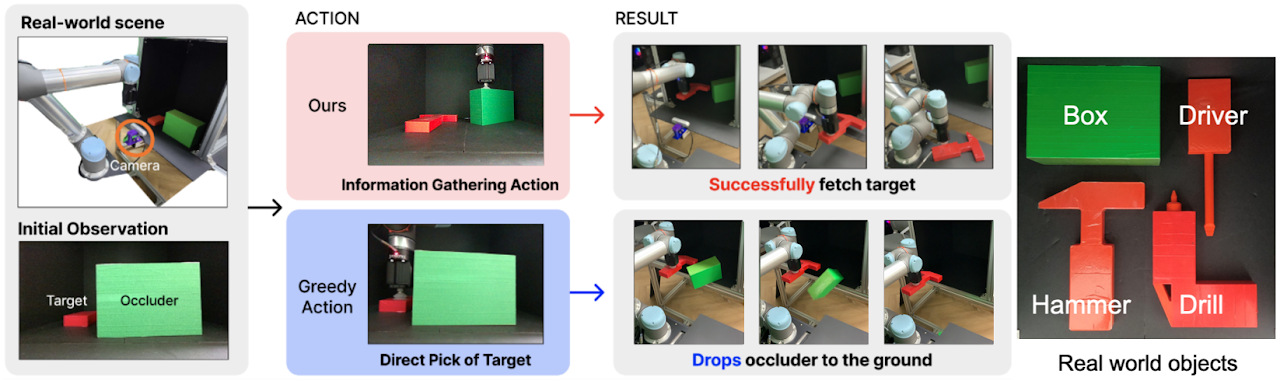
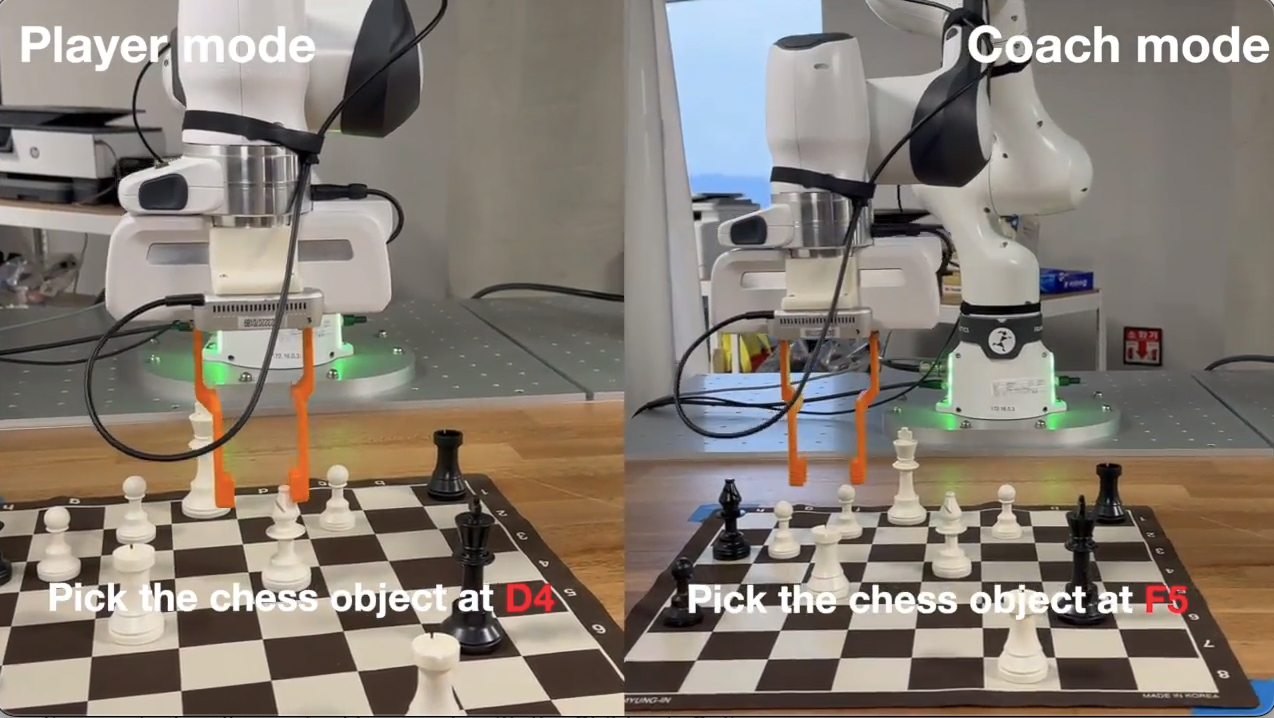
I study how LLMs, VLMs, and VLAs can connect scene understanding with adaptive action. Around people, the same task may require a robot to pause, change its approach, or revise a subgoal as the scene changes. Does context actually influence the motion a robot executes? I investigate how to evaluate this capability across tasks and embodiments, and how those evaluations can inform interpretable policies for long-horizon adaptation.
Each paper below is tagged by where it sits on that loop.
* denotes equal contribution
TL;DR
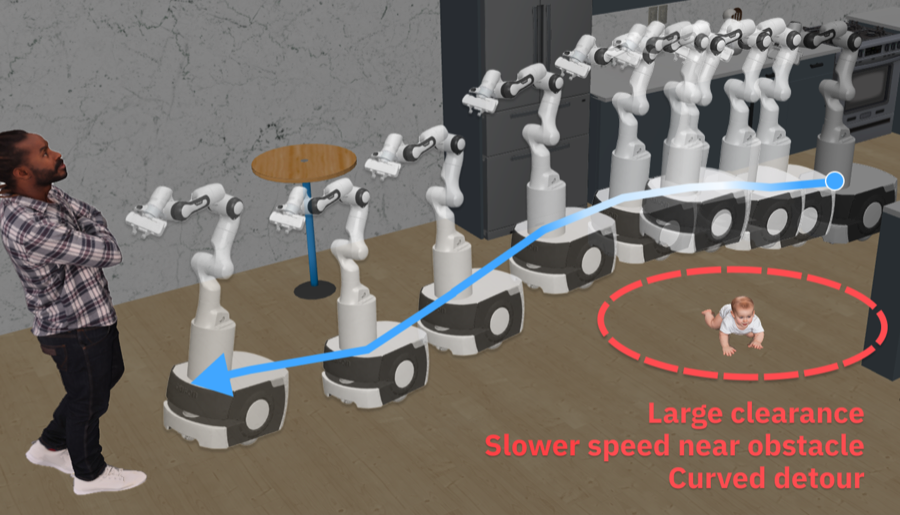
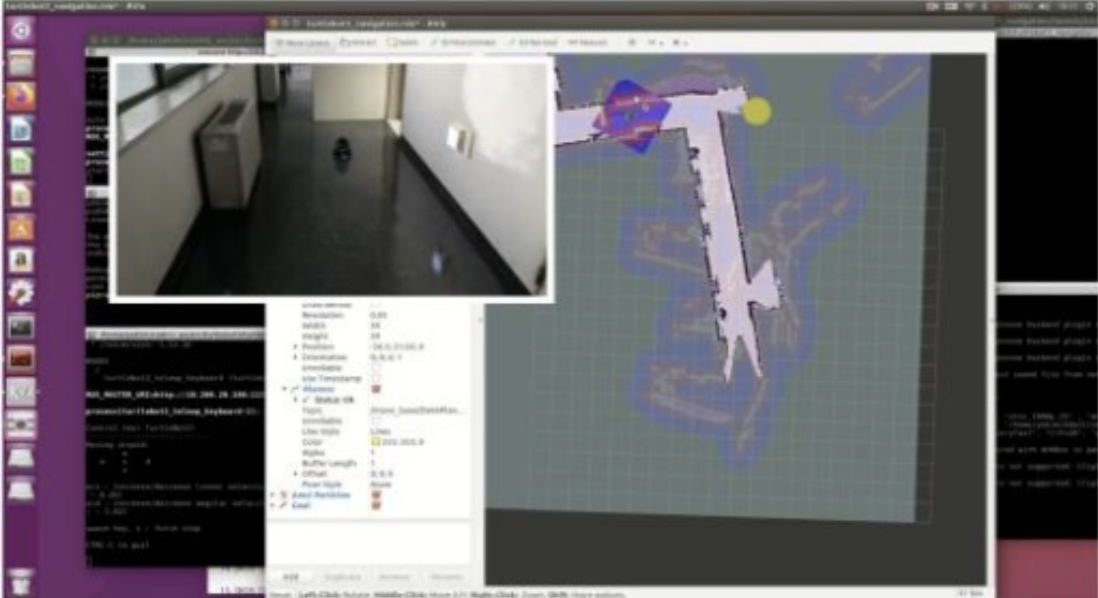
Benchmarks whether foundation-model robot policies adjust low-level navigation to safety context. It uses matched scenes where obstacle semantics or safety demand changes, exposing failures like treating a baby too similarly to a rigid object.
TL;DR
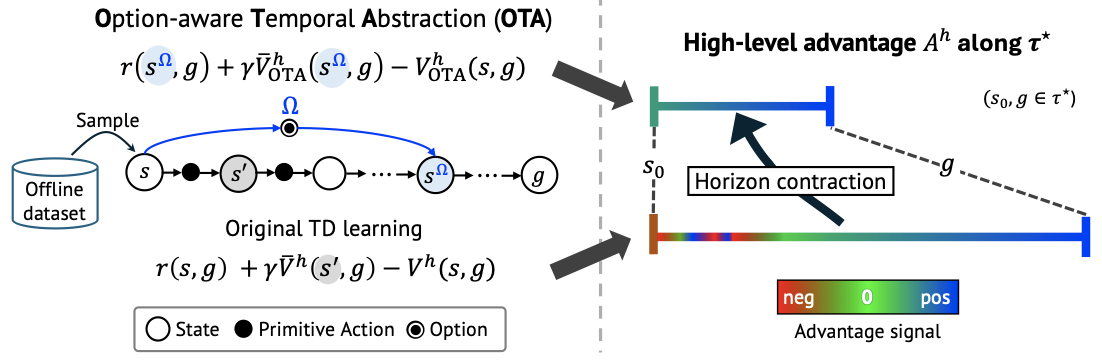
Introduces option-aware, temporally abstracted value learning for offline goal-conditioned RL. By reasoning over options instead of only primitive actions, the agent can make more reliable long-horizon goal-reaching decisions from static datasets.
- Reviewer, International Conference on Learning Representations (ICLR), 2027
- Reviewer, NeurIPS Workshop on Continual World Models, 2026
- Reviewer, Conference on Robot Learning (CoRL), 2026